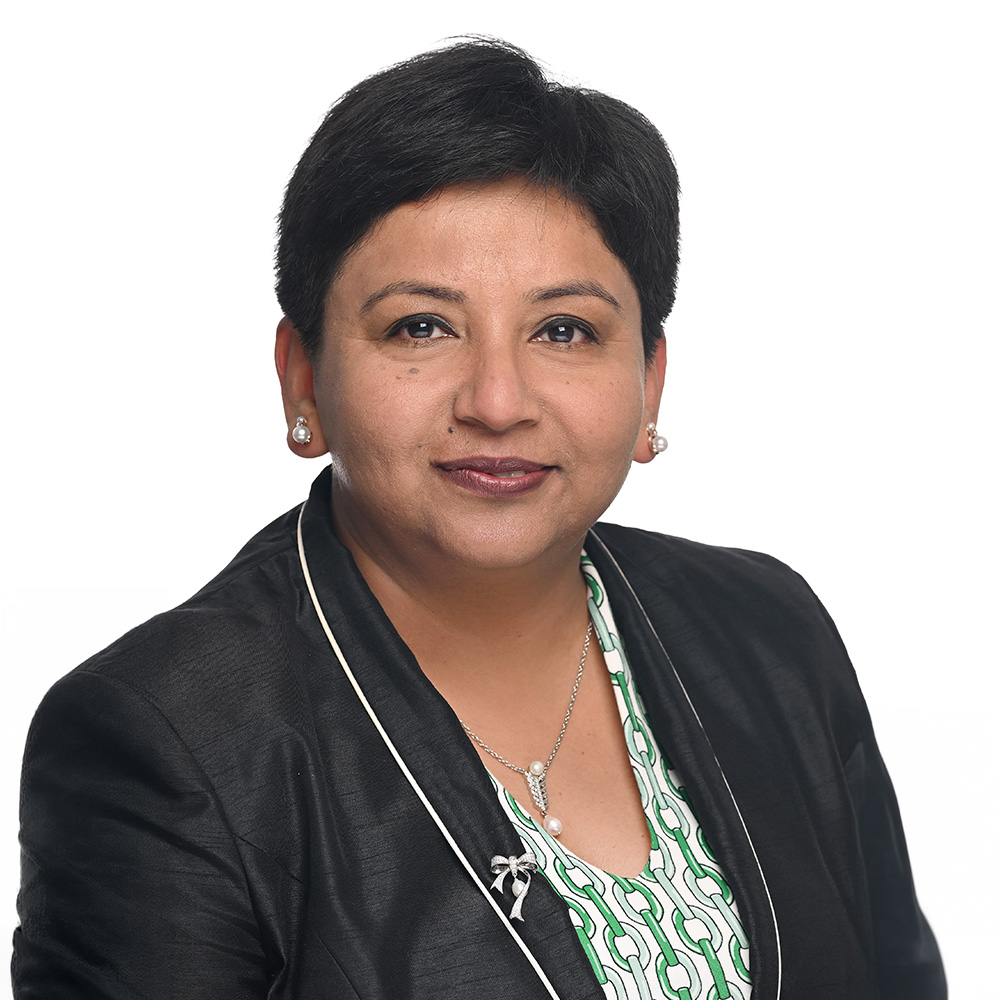
Sharing her expertise, Professor Monomita Nandy, spoke about with the students as part of the TransformHER webinar series.
The session opened with discussion around the fact that climate change is no longer a future problem. It is already affecting communities through flooding, droughts, water shortages, heatwaves, and rising living costs.
“These events are no longer rare events; they are becoming part of our lived reality.”
As a Professor in Accounting and Finance at Brunel University of London, Monomita highlighted that that these climate challenges create opportunities to apply for green funding to turn ideas into meaningful projects.
Key takeaway: Climate skills are career skills
Climate literacy has become an essential professional skill. Understanding sustainability, communicating climate issues effectively, and identifying green opportunities can strengthen job applications, business ventures, and leadership roles.
Key takeaway: People connect with stories more than statistics.
Personal experiences and local examples can make climate conversations more meaningful and motivate action.
How to develop your fundable idea into a 60-second pitch:
- Problem
- People
- Idea
- Value
- Support
- First Test
- Inclusion
The webinar reminded participants that addressing climate change does not always require large-scale interventions. Meaningful change often starts with a simple conversation, a local solution, and a willingness to take the first step toward a more resilient and sustainable future.
“Action is hope, and there is no hope without action.”
The TransformHER webinar series is under the Student Women Economic Empowerment Programme (SWEEP), implemented in collaboration with the British Council, and hosted by the Entrepreneurship Development in Higher Education (EDHE) programme under Universities South Africa (USAf).
Further Reading: A Climate of Truth – Mike Berners-Lee